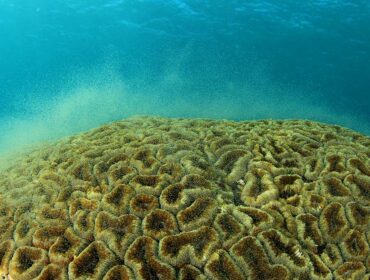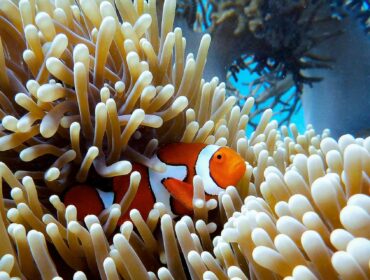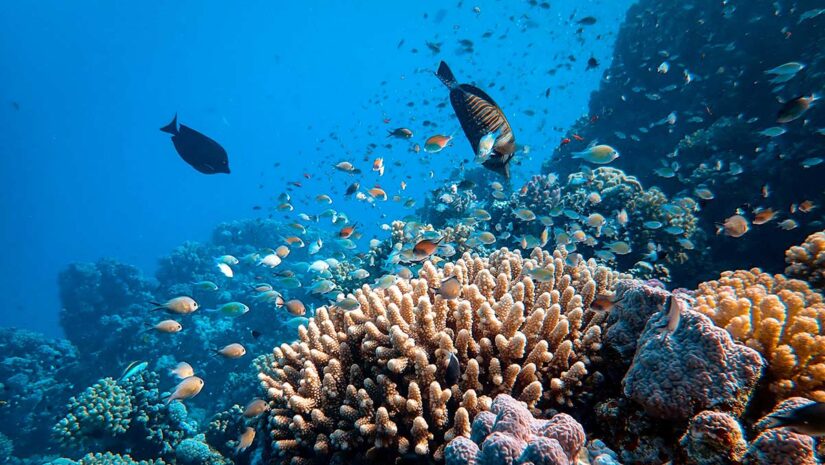
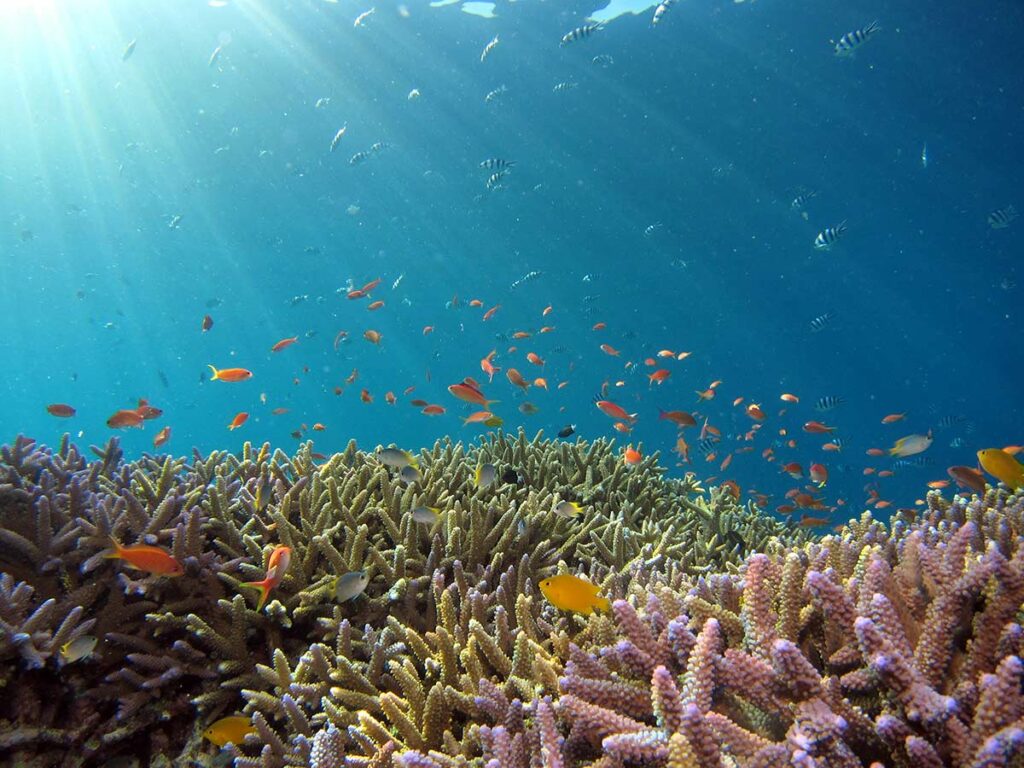
The devastation of our planet’s coral reefs has been a growing global problem. Among the many beautiful wonders of the world, the colorful and awe-inspiring coral reef never fails to grab the attention of those who explore underwater. These diverse ecosystems give are known as the “rainforests of the sea,” notes the National Oceanic and Atmospheric Administration. And it’s up to all of us to preserve and protect them for generations to come. That’s why coral reef conservation is of utmost importance.
Communities and organizations around the world have taken up the cause of coral reef conservation. By creating artificial reefs or designating certain areas as protected, the world has taken steps to ensure these ecosystems can continue to thrive.
But this mission must be important to us all. This year, and every year, here’s what you can do to help in the cause of coral reef conservation.
How to Participate in Coral Reef Conservation
1. Join your local reef preservation group
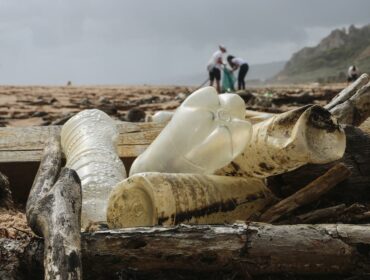
Your local reef system may need help in installing mooring buoys, which intercept the damage boats can do by anchoring in an area populated by coral reefs. You can volunteer for a coastal clean-up project. In places where damage has occurred that can be repaired, you can be part of a team that restores these areas. For students, there are many scholarship and internship opportunities available. The vast assortment of locations and programs you can participate in are all available through a little internet research.
2. Give back with every purchase
Align yourself with organizations that share your passion and make every purchase count. If you’re an underwater enthusiast — whether you scuba dive, snorkel, freedive, or spearfish — you know that the right equipment can help you stay safe and confident under the water. Scuba.com has been an industry leader in not only gear but also conservation and protection of corals.
Join the community at Scuba.com in helping to conserve that underwater beauty this year by donating to the CORAL Reef Alliance when you purchase. Since 2008, Scuba.com (previously LeisurePro) has partnered with the CORAL Reef Alliance and has donated funds to help preserve and respect the underwater landscape.
This year on Giving Tuesday, your donation will go even further! Scuba.com will match every donation made with your purchase to the CORAL Reef foundation. Shop now.
3. Join or start an artificial reef project
Starting your own artificial reef project is a task that cannot be taken lightly. You must first lobby for the support of your local government, environmental groups, and community to attain approval to begin. There is extensive research that goes into choosing the site, type of structure you will use, and its layout to ensure the safety of marine life, divers, anglers, and motorized vessels. You will be responsible for its funding, which means you will either use your own resources, or coordinate fundraising activities. Once all this has been accomplished and the artificial reef is established, there will need to be ongoing monitoring of the structure to record its growth, activity, and health. Additional expense may be required to resolve any issues that arise.
4. Respect the corals
When diving and snorkeling coral reefs, taking care to avoid contact with the reefs (use gear retractors and consider a Peak Performance Buoyancy course) and its species. Never take souvenirs — this is critical to their advancement. Educate yourself as much as possible on the subject so that you are better equipped to make positive changes in your environment.
5. Share your knowledge with fellow divers
Above all, spread your knowledge in every way possible. There are always people out there who have no idea about certain issues, but certainly would contribute if they did! The more light we can shed on the significance of coral reef survival, the more active role we can play in helping our planet to heal and flourish.